What Is a Soft Story Building?
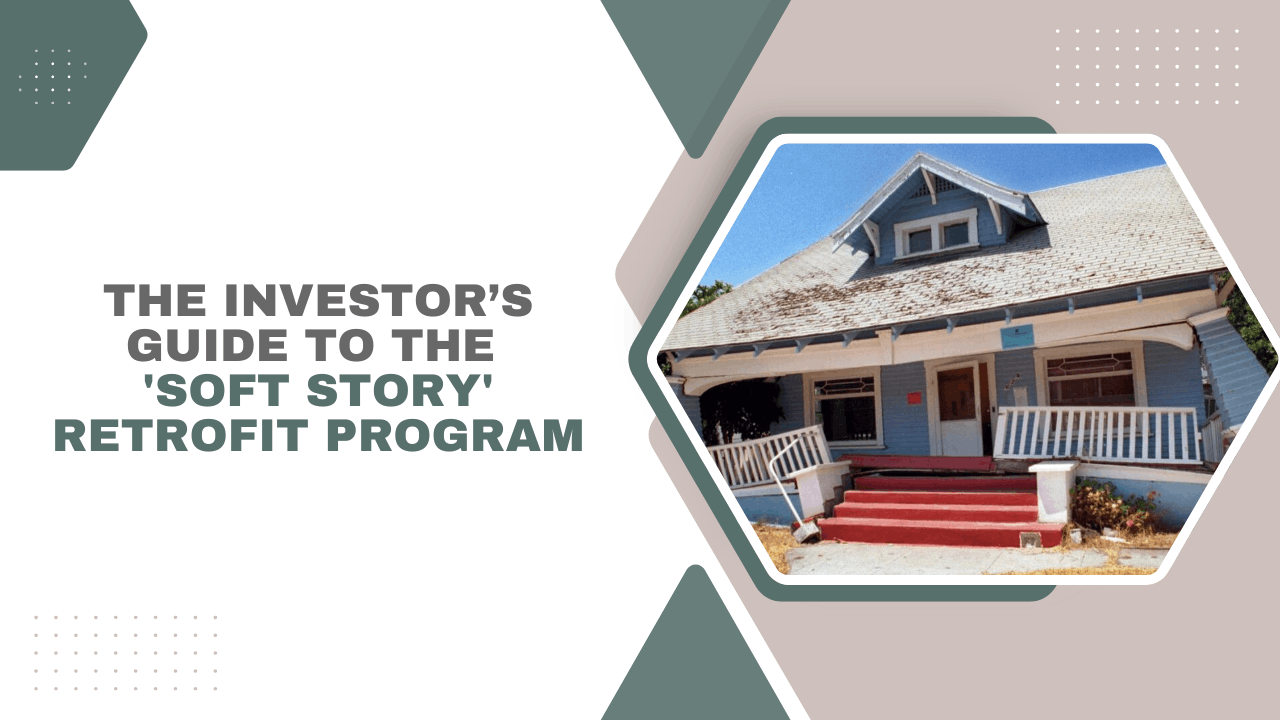
A soft story building has a structurally weak ground floor, typically because it has large openings like garages, parking, or open commercial space at street level, with heavier residential floors above. These
buildings perform poorly in earthquakes because the weak ground floor can collapse, causing the upper floors to "pancake" down. The 1989 Loma Prieta earthquake destroyed thousands of such units in San Francisco.
Which San Francisco Buildings Are Affected?
Not every building falls under the soft story program. The MSSP specifically targets structures that meet several criteria. Most affected buildings are:
- Wood-frame construction
- Built before 1978
- Contain five or more residential units
- Have a soft, open, or weak ground floor
Many properties in neighborhoods such as the Mission District, Richmond, Sunset, and Marina fall into this category. The city identified eligible properties and divided them into compliance tiers based on risk factors such as:
- Number of units
- Occupancy type
- Whether the building sits on a liquefaction zone
- The presence of vulnerable populations such as elderly tenants
Property owners should verify their building status through the San Francisco Department of Building Inspection (DBI) soft story database. Even if a building has already completed retrofit work, maintaining documentation is essential when selling or refinancing the property.
What Does a Soft Story Retrofit Involve?
The goal of the retrofit is to strengthen the ground floor so it can resist lateral forces during an earthquake.
Typical engineering solutions include:
- Steel Moment Frames. Steel frames installed around garage openings provide structural rigidity while preserving parking access. These frames are one of the most common retrofit approaches in San Francisco.
- Shear Walls.
Engineers may add reinforced plywood or steel walls to increase lateral stability.
- Foundation Bolting.
In some buildings, the retrofit includes anchoring the structure more securely to its foundation, preventing the building from sliding during seismic activity.
- Column Reinforcement. Existing columns or posts may be strengthened or replaced with structural steel elements.
The exact retrofit design depends on:
- Building layout
- Existing structural condition
- Engineering analysis
- City code requirements
Most retrofit projects require structural engineering plans, permits, inspections, and contractor work.
What are the Typical Retrofit Costs?
Soft story retrofit expenses vary widely depending on building size and structural complexity. Recent estimates we can share from the California Residential Mitigation Program look like this:
- Small buildings (5–8 units): $80,000 – $150,000
- Medium buildings (10–20 units): $150,000 – $350,000
- Large multi-unit buildings: $300,000 – $1 million+
Additional costs may include:
- Structural engineering
- Permitting fees
- Temporary relocation expenses
- Architectural drawings
- Construction contingencies
Because of San Francisco’s high labor and permitting costs, retrofit budgets should include at least a 10–20% contingency.
Financing Options for Owners
Recognizing the financial burden of retrofits, the city created several financing and cost-recovery mechanisms.
1.Property-Assessed Clean Energy (PACE) Financing
PACE loans allow owners to finance retrofit work through property tax assessments over long repayment periods, sometimes up to 20 years.
2.Bank Loans and Lines of Credit
Many lenders offer seismic retrofit loans designed specifically for MSSP compliance.
3.Capital Improvement Pass-Through
Under San Francisco's rent control laws, landlords can petition the Rent Board to pass through a portion of retrofit costs to tenants in rent-controlled units. The rules are complex, but generally landlords may recover costs over a set amortization period through small monthly rent increases, subject to Rent Board approval.
How Retrofits Affect Property Management
Beyond construction costs, the soft story program has significant operational implications for landlords. We’re here to help you understand what’s required and how to proceed.
1. Long-Term Capital Planning
Investors should treat retrofits as major capital expenditures similar to roof replacement or foundation work. A
well-managed property portfolio should include:
For new buyers, retrofit status should always be part of due diligence during acquisition.
2. Tenant Communication and Legal Compliance
Retrofit projects often require temporary disruptions such as:
- Construction noise
- Garage access restrictions
- Temporary relocation of tenants
Property managers must provide clear written notices and
comply with San Francisco tenant protection laws. Some projects require tenant relocation assistance, particularly if units must be vacated during structural work.
Failure to follow proper procedures can lead to disputes or penalties through the Rent Board.
3. Insurance Considerations
Buildings that complete seismic retrofits may benefit from:
- Lower earthquake insurance premiums
- Improved underwriting terms
- Reduced liability exposure
While standard property insurance usually does not cover earthquake damage, insurers often view retrofitted buildings as lower risk assets. Owners should notify their insurer once retrofit work is completed and request a policy review.
4. Construction Management and Contractor Selection
This is where investors are most likely to ask for our help. Soft story retrofits involve specialized structural work. Owners should prioritize:
- Licensed contractors with seismic retrofit experience
- Engineers familiar with San Francisco DBI requirements
- Clear construction schedules and cost estimates
Because retrofit demand surged after the MSSP was implemented, contractor availability can sometimes be limited. Planning projects early helps avoid delays. Working with property managers Iike us can also help. We have good relationships in place with outstanding contractors already.
5. Property Value and Marketability
Although retrofits require significant upfront investment, they can improve property value in several ways:
- Increased buyer confidence
- Reduced future compliance risk
- Better financing options
- Enhanced earthquake resilience
Many investors now prefer buildings that have already completed retrofits, which can make compliant properties easier to sell.
Implications for Real Estate Investors
For investors evaluating San Francisco multifamily properties, the soft story program should be part of the acquisition analysis.
Key questions include:
- Has the building already completed the retrofit?
- If not, what is the estimated cost?
- Are engineering plans already approved?
- Are tenants subject to relocation during construction?
Buyers will want to request documentation such as:
- Engineering reports
- Retrofit permits
- DBI compliance certificates
- Construction invoices
Failing to account for retrofit costs can significantly impact investment returns.
Timeline and Compliance Status
The MSSP established multiple compliance phases, and many buildings have already completed retrofits. However, not all properties finished on time, and enforcement continues.
Owners must maintain records proving compliance, including:
- Final inspection approvals
- Structural certification
- Permit closure documents
Buildings that remain non-compliant may face penalties or restrictions when attempting to sell or refinance.
FAQs for Rental Property Owners
Q: When Should I Conduct Structural Assessments?
A: Early. If you own an older building, consult a structural engineer even if the property was not originally flagged by the MSSP.
Q: What Kind of Records Must I Maintain?
A: Detailed compliance records are essential. Keep all retrofit documentation organized. These records are essential for refinancing, insurance, and resale.
Q: Will Additional Seismic Improvements Be Needed Later?
A: It’s possible, so budget for that. Earthquake preparedness should be treated as a long-term asset protection strategy, not just a regulatory requirement.
Q: Who Should I Work With?
Start with a property and project manager. Retrofit projects involve coordination between engineers, contractors, city inspectors, and tenant representatives. Choosing experienced professionals can reduce delays and cost overruns.
Practical Steps for Rental Owners
- Check your building's status on the SF Department of Building Inspection (DBI) website — they maintain a database of covered properties and compliance status.
- Hire a licensed structural engineer to assess your building and design the retrofit.
- Pull the required permits through DBI.
- Hire a licensed contractor experienced in seismic retrofits.
- File a Certificate of Completion with DBI upon finishing work.
- If you want to pass costs through to tenants, file a petition with the SF Rent Board.