What Is an ADU?
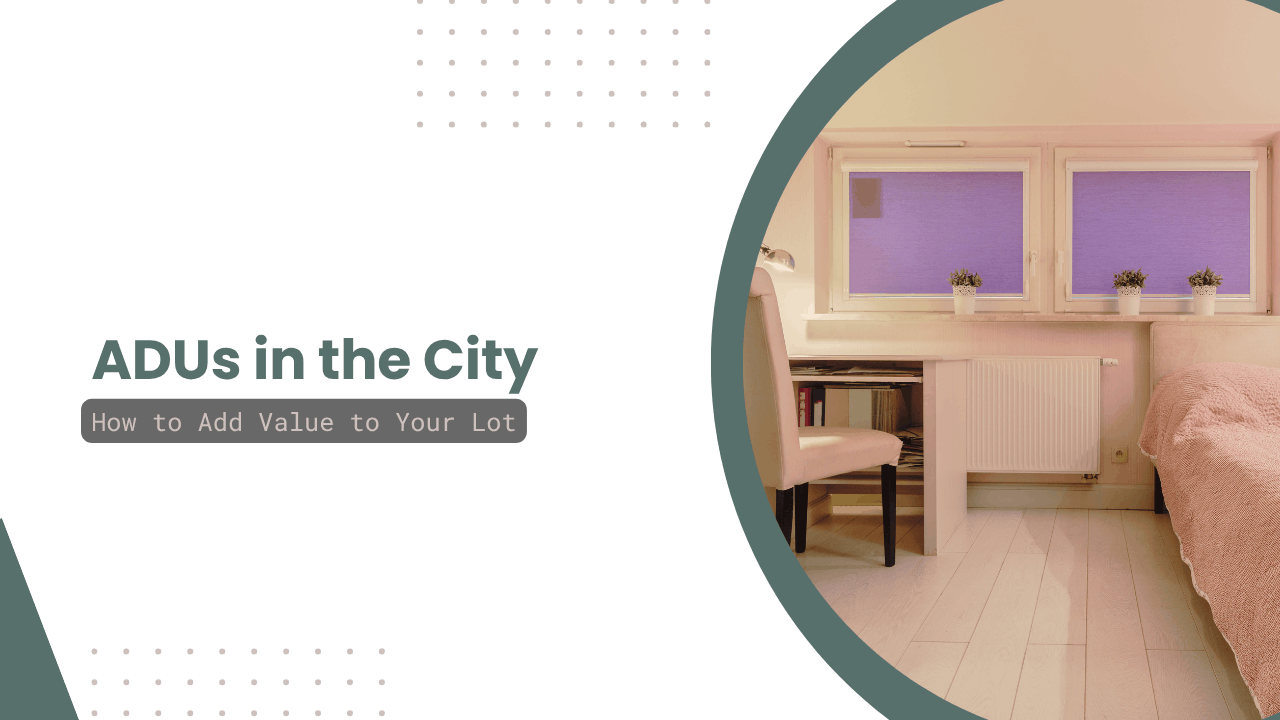
An Accessory Dwelling Unit (ADU) is a secondary residential unit built on the same lot as an existing primary residence. The unit is fully independent and typically includes:
- A separate entrance
- A kitchen
- A bathroom
- Living and sleeping space
ADUs can take several forms depending on the property layout, including:
- Converted garages
- Basement apartments
- Detached backyard cottages
- Additions to an existing structure
These units function as independent housing, which means they can be rented separately from the main residence.
San Francisco has recently encouraged
ADU development
as a way to add housing without constructing large apartment buildings. Since 2016, city regulations have allowed ADUs citywide in residential areas, reducing some planning requirements to make it easier for property owners to build them.
Why are ADUs Growing in San Francisco?
San Francisco faces a significant housing shortage. With limited available land for new development, policymakers have looked toward smaller-scale solutions that can fit within existing neighborhoods.
ADUs are attractive because they allow incremental density, which is the process of adding housing units without major redevelopment.
Over the past decade:
- The San Francisco Chronicle has reported that hundreds of ADUs have been constructed across the city.
- Many existing garages, basements, and underutilized spaces have been converted into rental units.
- New legislation has streamlined approvals and reduced regulatory barriers.
One key change has been the shift toward ministerial approval for ADUs. As long as a project meets zoning and building requirements, it can be approved administratively without neighborhood hearings, which historically slowed down development.
This shift has dramatically improved predictability for homeowners and investors considering ADU projects.
The Logistics of Building an ADU in San Francisco
While the process has improved in recent years, building an ADU still requires careful planning and coordination. Here’s a step-by-step look at what to know.
1. Determine Property Eligibility
The first step is determining whether your property qualifies for an ADU. Many residential lots can accommodate additional units, but the exact rules depend on:
- Zoning district
- Building configuration
- Existing unit count
- Lot size and layout
In many cases, ADUs are created within the existing building envelope, such as converting a garage or basement into a legal unit.
Detached backyard units may also be possible depending on the lot dimensions.
2. Choose the ADU Approval Program
San Francisco offers different permitting pathways depending on the project.
Property owners generally apply through either:
- State ADU Program
- Local ADU Program
The state program often provides a faster approval timeline because the application is reviewed through a streamlined permit process. Local program projects may require additional planning review, particularly if they affect existing tenants or building amenities.
3. Design the Unit
For many owners, this is the fun part. It’s also a logistical requirement. Architectural plans are required before submitting an ADU permit application. In many cases, property owners work with:
- Architects
- Structural engineers
- Designers familiar with San Francisco building codes
These professionals ensure the unit complies with requirements related to:
- Fire safety
- Structural integrity
- Energy efficiency
- Building access
Licensed design professionals must sign off on most ADU plans before submission.
4. Navigate the Permit Review Process
Once submitted, ADU plans typically go through review by multiple city agencies, including:
- Planning Department
- Department of Building Inspection
- Fire Department
- Public Works
- Public Utilities Commission
We caution owners that plan review alone can take one to three months, followed by final permit issuance before construction can begin. Because multiple departments must approve the project, preparation and documentation are essential to avoiding delays.
FAQs Around the Timeline and Costs
ADU construction, while delivering a lot of potential in terms of rents and long-term income, is still a significant investment of both time and money. We want you to be prepared.
Q: How long will planning take?
A: Depending on your plans and where you’re starting from, the planning and design alone will take several months.
Q: What is the timeline for the permitting process?
A: That will depend on your property, who you’re working with, and the volume of work at the various city offices. Plan on at least three months for permitting. Planning and design will take several months
Q: How long will the actual construction take?
A: Again, that depends on your project and your team. Expect, in general, construction to take 6–12 months.
Q: What will an ADU cost me?
A: Costs vary widely depending on the scope of the project. However, according to SF.gov, many ADU projects start at $125,000 or more in materials and labor, with additional architectural and city fees adding to the total cost.
Despite the upfront investment, many property owners find the long-term financial benefits compelling.
The Financial Benefits of Adding an ADU
For San Francisco rental property owners, ADUs can provide multiple financial advantages.
The most obvious benefit is new rental income from an additional unit. In San Francisco’s high-rent environment, even small studio or one-bedroom ADUs can generate significant monthly revenue. This income can help property owners:
- Offset mortgage payments
- Cover
maintenance costs
- Improve cash flow
- Hedge against market fluctuations
For homeowners with a single-family property, an ADU can effectively transform the lot into a multi-income property.
ADUs can also increase the overall market value of a property. Buyers often place a premium on properties that include:
- Rental units
- Guest houses
- Multigenerational housing options
Because San Francisco has strict housing supply constraints, properties with additional legal units tend to be particularly attractive. For investors, this means ADUs can provide both immediate income and long-term equity growth.
Another advantage of ADUs is their flexibility. Property owners can use the space in several ways, including:
- Long-term rental units
- Housing for family members
- Home offices or studios
- Guest accommodations
As life circumstances change, the unit can be repurposed to meet new needs. This adaptability makes ADUs especially valuable in urban markets where space is limited.
Challenges to Consider Before Building
We are big proponents of ADUs as
San Francisco property management and real estate experts. But even with their benefits, ADUs also can be challenging.
Property owners should carefully consider:
- Upfront Construction Costs.
Building an ADU requires significant capital investment, which may take years to fully recover through rental income.
- Permitting Complexity.
Although the approval process has improved, navigating permits and building codes can still be time-consuming.
- Utility and Infrastructure Upgrades. Some projects require upgrades to electrical systems, plumbing, or water supply lines. Utility coordination can occasionally slow down projects and add additional costs.
- Tenant Regulations.
San Francisco’s tenant protection laws also apply to ADU units. Property owners must ensure compliance with local rent and housing regulations when renting the unit.
Understanding these factors before starting construction is critical for successful project planning.
The Future of ADUs in San Francisco