Understanding the Historic Context of Your Investment
What do you know about your historic investment home and its architecture?
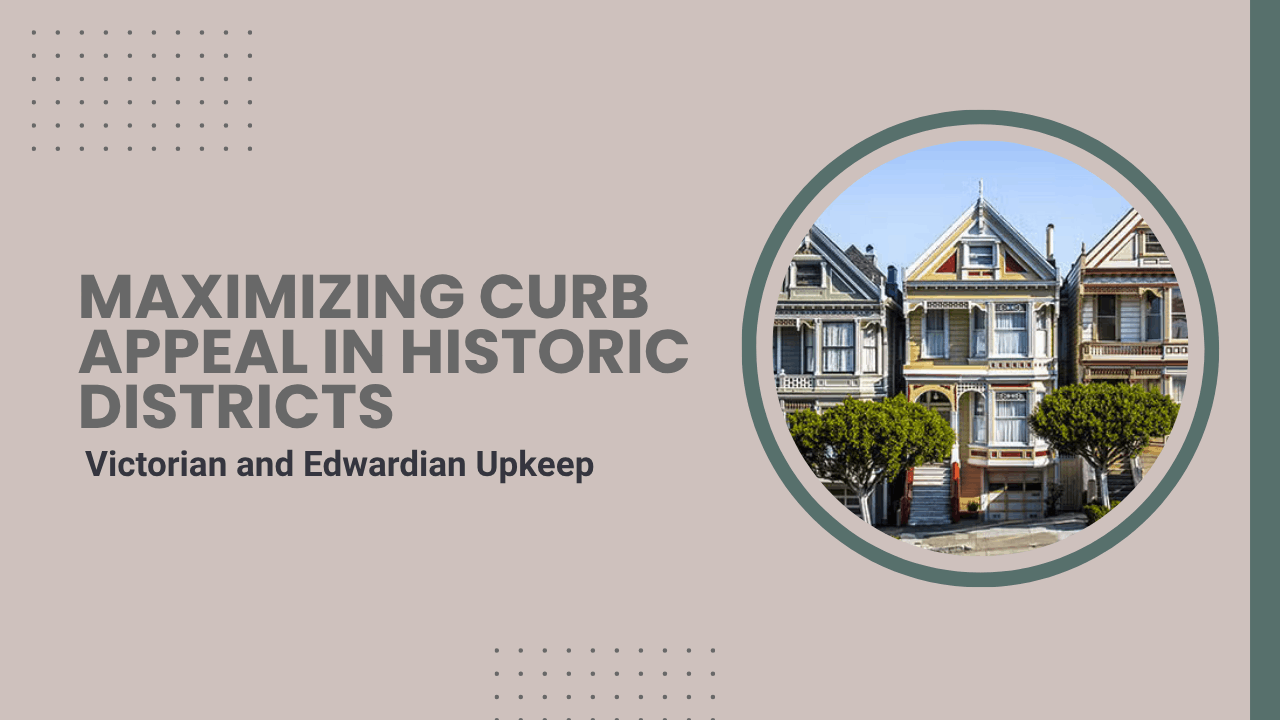
San Francisco’s historic housing inventory typically falls into two architectural families, those homes constructed in the Victorian aesthetic (circa 1850 to 1900), and those with Edwardian elements (circa 1900 to 1920).
What we love about Victorian homes is that they’re highly decorative with intricate woodwork (like gingerbread trim). We see asymmetrical facades and a lot of bay windows, turrets, brackets, and turned posts. Most buildings have bold trims and color contrasts.
The Edwardian homes are more
restrained when it comes to ornamentals than Victorian buildings. We get simple, symmetrical lines and larger porches. There are classical details and often large windows with proportionally clean profiles.
Recognizing these design languages, if you don’t already, helps you make improvement decisions that enhance visual appeal without undermining historic character.
Curb Appeal Fundamentals for Historic Rentals
When it comes to improving curb appeal for homes like these, the idea is to be gentle and intentional. This is what we mean by that.
- Exterior Paint and Color Schemes
Paint is one of the most powerful tools for transforming a property’s appearance. But with historic homes, it’s not just about picking the latest trendy palette.
- Use historically appropriate color schemes. Victorian homes often thrive with multiple contrasting hues that highlight trim and ornamentation. Edwardian homes suit more subdued palettes with soft accents.
- Refer to San Francisco’s historic color guides. The city and preservation groups often publish approved color palettes that honor period aesthetics. We can share these with you if you don’t have access to them.
- Quality matters. Use premium exterior paint with UV and moisture resistance, especially crucial in coastal fog zones.
Thoughtfully selected and expertly applied paint enhances architectural detail, creates visual harmony with neighboring homes, and signals quality upkeep to renters.
- Windows as Signature Features
Victorian and Edwardian homes often feature tall, narrow windows, decorative sashes, and multi-pane upper lights. Windows do far more than admit light; they define the face of the building. Here’s how to enhance windows responsibly:
- Repair rather than replace historic wood windows whenever feasible. Well-maintained originals offer better craftsmanship and sometimes better thermal performance than cheap replacements.
- Weather-strip and add storm windows to improve energy efficiency without sacrificing historic appearance.
- Maintain caulking and paint. Peeling or cracked trim undermines both performance and appearance.
- Match historic profiles if replacement is unavoidable.
Bright, well-maintained windows convey cleanliness, comfort, and attention to detail, which are attributes renters notice immediately.
Landscaping for Historic Properties
Landscaping contributes to curb appeal in measurable ways, and it’s more than just arranging pretty plants outside. It’s about framing the home and its history.
Front gardens and pathways are a great place to start. Even narrow Victorian front yards can be charming when designed with intention. Consider period-appropriate plantings. Lavender, roses, boxwood hedges, hydrangeas, and drought-tolerant native plants complement historic styles.
Create defined walkways. Repaired brick, stone, or decomposed granite paths guide the eye and create a welcoming threshold.
Maintenance tips we often recommend to rental property owners include regular weeding and pruning, mulch for moisture retention and neatness, and seasonal plant rotation to maintain color year-round.
Use landscaping to accentuate architectural features rather than obscure them. For example, low shrubs under bay windows can anchor the elevation. We love to see climbing vines on trellises adjacent to porches (but avoid trim that’s too ornate).
These subtle touches enrich the facade without obscuring historic craftsmanship.
Porches, Railings, and Decorative Trim
San Francisco’s historic homes are renowned for their porches, brackets, corbels, and fretwork. These features deserve deliberate care.
Front porches are social spaces and visual focal points. There are many ways to improve them with paint or by restoring existing woodwork. A fresh finish can dramatically uplift a facade. Ensure the structural soundness. Sagging porches or loose railings are hazards and deterrents for tenants. Use classic lighting when you can. Period-sensitive sconces or pendant lights add warmth and security.
- Inspect and Maintain Trim and Ornamentation
Paying attention to
decorative trim prevent costly rot or decay. Replace damaged wood with matching profiles and tighten any loose brackets and balusters. Repaint as necessary to seal surfaces from moisture.
Addressing Functional Needs Without Compromising Style
Curb appeal counts, but functionality comes first. While aesthetics matter, your historic rental must also perform well for tenants and meet code requirements.
1. Roofing and Gutters
Neglect leads to water intrusion and accelerated deterioration.
- Preserve or restore original roof shapes and materials where possible.
- Install seamless gutters with copper or painted finishes that blend with trim.
- Add discreet gutter guards to reduce maintenance frequency.
2. Lighting, Safety, and Accessibility
Contemporary renters expect good lighting and safety features, and these can be integrated sensitively. Use motion-activated lighting that illuminates walkways without harsh glare. Invest in period-style fixtures that match architectural context (think wrought iron or opal glass). These upgrades balance tenant expectations with historic character.
Hardscape Elements that Elevate Curb Appeal
Historic districts often have narrow plots and unique sidewalk configurations. You’ll want to consider these improvement tips:
- Repair cracks and uneven edges
- Choose materials that complement the era (brick pavers, cobblestone accents, or stamped concrete with historic patterns)
- Avoid large expanses of plain asphalt or poured concrete
Fences can enhance definition and privacy, but design matters. Your best fence for Victorian and Edwardian homes are wrought iron or wood picket fence with proportions that reflect the home’s style. Consider low hedges instead of solid fencing. Well-designed boundaries frame the house and add charm.
Lighting and Hardware: Small Details, Big Impact
These often-overlooked elements such as door hardware, door handles, and house numbers influence first impressions. Replace generic hardware with period-inspired knobs, knockers, and key plates. Update house numbers to fonts and materials (bronze, brass, enamel) in keeping with the architectural era.
Ensure consistency by using matching finishes across fixtures to make the whole composition feel intentional.
Good lighting improves curb appeal and safety. Our guidelines are generally:
- Choose fixtures that reflect historic periods (lanterns, sconces with frosted glass)
- Use warm LED lighting to create inviting glow
- Avoid over-illumination; focus instead on functional accent lighting for porches and entry paths
Regulatory and Preservation Considerations
San Francisco has stringent design review standards in many historic districts. Before making significant exterior changes, consult the local guidelines. The San Francisco Planning Department, Historic Preservation Commission, and neighborhood conservation groups provide approved material lists and standards for alterations, additions, and replacements.
Historic restoration requires specialized skills. Seek contractors who understand in-kind replacement vs. replication and are familiar with local preservation tax incentives. We work specifically with vendors who can source matching materials.
Demonstrating Value to Renters
Well-maintained historic properties attract tenants who appreciate character and are willing to pay for the experience of living in a home from more than a hundred years ago. We can highlight curb appeal in your listings in a few ways.
- Showcase architectural details with professional exterior photos
- Mention period-appropriate upgrades, restored features, and landscaping
- Emphasize historic neighborhood advantages (walkability, character streetscapes)
Investments in appearance are also investments in market perception.
ROI and Long-Term Benefits for Historic San Francisco Rental Homes with Curb Appeal