Building and maintaining personal relationships in property management isn’t something to be avoided. It’s actually a long-term strategy that can help you build relationships that last. Over time, this approach cultivates a stable, satisfied tenant base, reduces turnover, minimizes conflict, and increases your property's desirability and profitability.
The Personal Touch in Property Management: Building Relationships for Long-Term Success
Luminor Real Estate INC • November 20, 2025
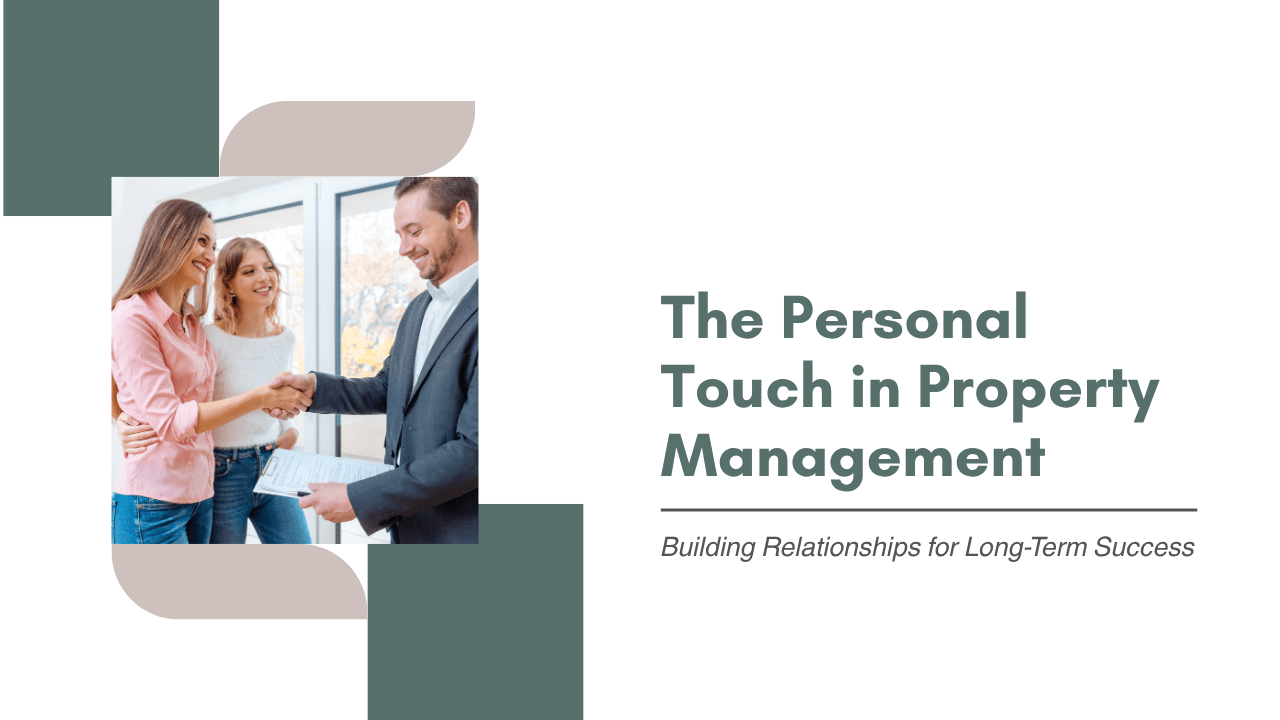
As property managers in San Francisco, we’re very clear with our professional boundaries. We cannot become overly friendly with tenants, and while we want to be friendly and personable with them, we also work hard to remain professional and respectful. When we work with owners, we see ourselves as partners, working with them to set and achieve some impressive investment goals.
While professionalism is a serious part of our business values, that doesn’t mean there isn’t room to get personal.
There is. The personal touch in property management can lead to better success stories for all of us.
In our experience, providing a personal experience for each owner, each tenant, each investor, and each partner in property management, leads to a better outcome. There is no single way to manage an investment property. There are multiple ways to do it, and the right way depends on a lot of personal details.
We know what it’s like in our industries. It’s very easy to become consumed by spreadsheets, ROI calculations, and the logistics of maintenance and rent collection. Yet, the most successful rental property owners and property managers understand that numbers only tell part of the story.
The other part of the story involves people. Tenants, vendors, contractors, neighbors, and even local officials all play a role in the long-term success of your investment. This is where the personal touch in property management makes all the difference.
Property Management is a Relationship Business
At its very essence and at its deepest core, property management is a people business. Buildings don’t sign leases or call with maintenance requests. People do.
Establishing strong, respectful relationships with tenants can lead to longer lease terms, lower vacancy rates, timely rent payments, and fewer disputes. Similarly, maintaining good relations with vendors and contractors can mean faster service, better pricing, and priority scheduling.
Even as technology takes hold, those systems and automations are only as good as the people who are operating them. And in an increasingly competitive rental market, hyper-local experience matters. Your prospective tenants often make decisions based not just on the amenities and location of a property but on how they are treated. A warm, professional interaction during a tour or a prompt and friendly response to inquiries can set your property apart in a loud and busy market.
The Business Case for a Personal Approach
Adding a personal touch to the management of your property isn’t just about being nice; it’s a strategic business decision. Consider the following benefits:
- Tenant Retention. Happy tenants are more likely to renew their leases, reducing turnover costs such as cleaning, repairs, marketing, and vacancy.
- Referrals. Satisfied tenants can easily become advocates who celebrate what they like about renting from you or living in your property. Word of mouth and online reviews can attract quality renters without expensive advertising.
- Conflict Resolution. Issues are inevitable, but a strong relationship with tenants based on personal respect can make resolving them smoother and less adversarial.
- Reputation Building. Landlords with a personal, professional touch often enjoy better reputations within the community and among service providers.
Practical Strategies for Building Strong Relationships
If you are looking for ways to integrate the personal touch into your own day-to-day operations when it comes to your
rental property, we have some actionable strategies for you.
- Effective Communication
It’s always going to start with communication.
Good communication is the foundation of any relationship. Keep tenants informed about maintenance schedules, changes in policy, or upcoming inspections. Use clear, friendly language and keep yourself available to answer any questions or talk through any complications. Be responsive. Whether it's an email, text, or phone call, a timely reply shows respect and professionalism. Even if you don’t have an immediate answer, acknowledging the message goes a long way in respecting your relationship.
- Personalized Service
Take time to get to know your tenants. Remembering names may seem like no big deal, but tenants will notice it and appreciate it. Track important dates like move-in anniversaries, or even just turn in to preferences about how they like to be contacted. This adds a human element to the business relationship.
For larger portfolios, consider using property management experts who can leverage software with CRM capabilities to track these personal details.
Going a step further, seasonal greetings, small welcome gifts for new tenants, or even a periodic newsletter with community updates can foster goodwill.
- Proactive Maintenance and Upkeep
Demonstrate that you care about the property and by extension, the people living in it, by keeping it well maintained. Regular inspections, prompt repairs, and cleanliness in common areas all show your commitment to providing a quality living environment.
This is personal to your tenants.
Attention to maintenance is one of the things that your residents are using to determine whether or not they’ll renew their lease agreement. Don’t give them a reason to move out.
- Prioritizing Consistency and Fairness
While personal touches are important, consistency in applying rules and handling issues is an important part of maintaining trust, especially when you’re working with a community of tenants in the same building or neighborhood. Favoritism, or the perception of it, can quickly sour relationships. That’s when things become personal in a very negative way.
Make sure that policies are clearly communicated and enforced evenly. When exceptions must be made, explain the reasoning to help maintain transparency.
- Invest in Community Engagement
Encourage a sense of community among your tenants. Hosting occasional tenant appreciation events, partnering with local businesses for discounts, or supporting neighborhood initiatives can strengthen your relationship with both tenants and the local community. This not only builds tenant loyalty but also positions you as a positive force in the community, which can be beneficial when dealing with local officials or addressing neighborhood concerns.
Navigating Challenges with Empathy
The personal touch is especially important when addressing challenges such as late rent payments, noise complaints, or maintenance delays. In these situations, empathy goes a long way.
Instead of approaching every issue from a place of strict enforcement, take time to understand the tenant’s perspective. Are they going through a temporary hardship? Is there a simple misunderstanding? Open, empathetic dialogue can often lead to solutions that satisfy both parties without escalating conflict.
This doesn’t mean compromising your policies or business interests. Rather, it means approaching issues in a way that preserves dignity and opens the door to cooperation.
Technology as a Tool, Not a Substitute
While technology has streamlined many aspects of property management, from automated
rent collection to digital leasing, it should enhance, not replace, human interaction and personal conversations.
As property managers, we use these tools to improve efficiency and free up time for more personal engagement. For example, our online portals can make it easy for tenants to submit maintenance requests, but a follow-up call or check-in can show that we genuinely care about resolving the issue.
Similarly, automated messaging systems can be useful for reminders, but they shouldn’t replace direct communication when it really matters. A personal approach to
managing properties
will better equip you to infer when it’s better to have a conversation or suggest a meeting.
Combining Experience: The Investor-Manager Advantage
If you are working with property managers, make sure you’re choosing a management partner that understands and embraces the importance of relationship-building. Establishing a reputation as a landlord or rental property owner who values the personal touch can lead to more consistent tenant experiences, which in turn supports your overall reputation and success.
Working with a property manager who is also an experienced real estate investor offers a unique advantage. As professionals who understand the rental market on a personal level as well as a professional one, we bring not only the operational know-how of managing tenants and properties but also a deeper understanding of what it takes to maximize returns and protect long-term value.
A property manager with personal experience will understand the concerns and goals of fellow investors because they share them. This dual perspective allows property managers to approach property management with both empathy and efficiency, blending personal service with a strategic, bottom-line mindset that benefits all parties involved.
The Long-Term Payoff

In an industry where so much emphasis is placed on hard data, it’s the soft skills that often differentiate top-performing landlords and investors. The personal touch may take a little more time and thought, but the return on investment is substantial.
In the end, successful property management is about more than managing assets. It’s about managing relationships. By bringing a personal touch to your interactions with tenants, vendors, and the community, you create a foundation of trust and respect that supports long-term success.
We work hard to bring our personal passion and our professional expertise to the properties we lease, manage, and maintain for landlords and investors just like you. Let’s explore what we can achieve together. Please contact us at Luminor Real Estate.
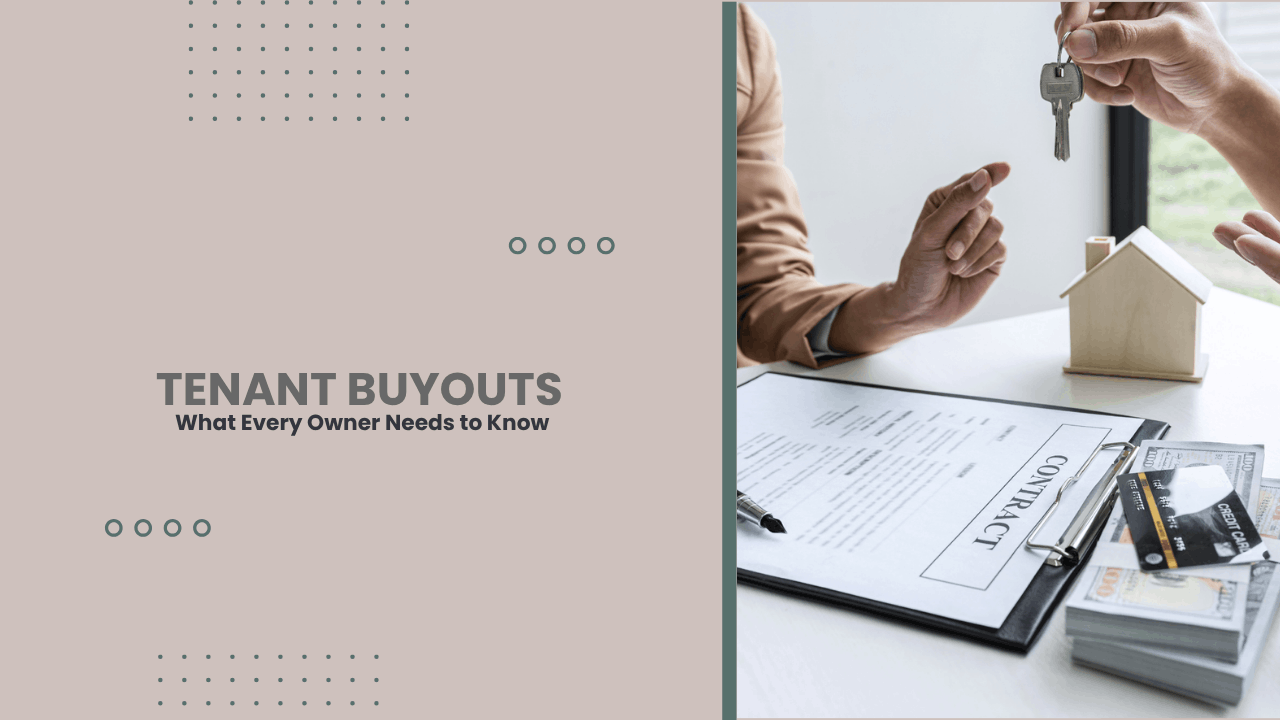
At Luminor Real Estate, we have experience helping owners work through these challenging situations, so we’re exploring tenant buyouts in depth.

We’re talking about high-impact retrofits with measurable ROI and lower-cost upgrades that enhance comfort and curb appeal.
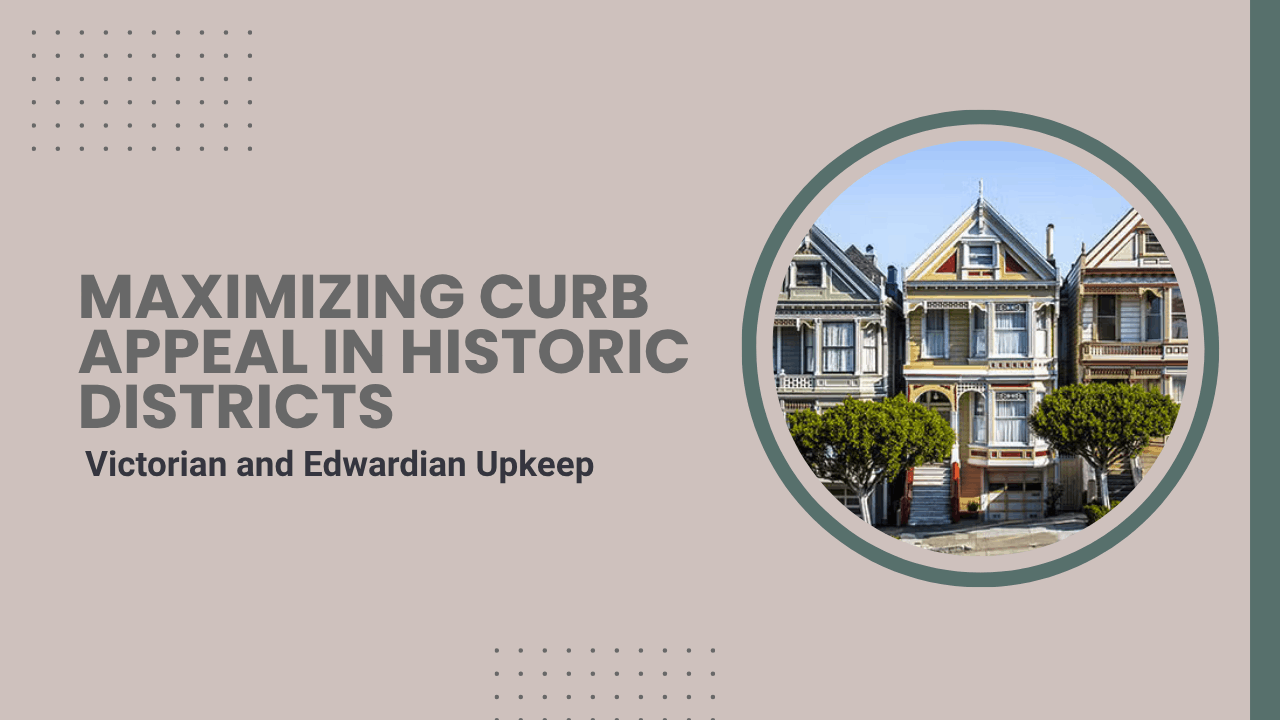
We have some actionable steps that will ensure you’re enhancing and maximizing exterior appeal while respecting the historic framework of your investment.